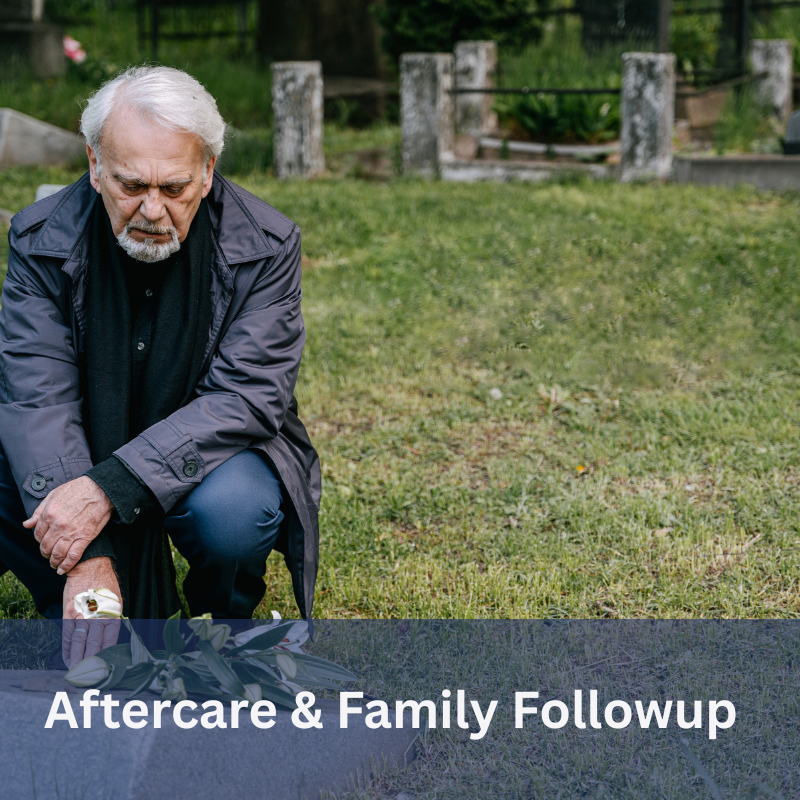
Aftercare & Family Follow-Up

Wishlist Share

About Course

The role of a funeral service professional does not end at the conclusion of the service. Families continue to face emotional, financial, and practical challenges in the days and weeks following a death. Effective aftercare and follow-up programs allow funeral homes to extend compassion beyond the service, strengthen community trust, and create lasting relationships with the families they serve.

This course provides funeral service professionals with a comprehensive approach to aftercare. Participants will explore strategies for compassionate communication, grief support resources, and structured follow-up practices. Topics include bereavement care, support group referrals, anniversary and holiday outreach, managing sensitive conversations, and integrating aftercare into funeral home operations. The course emphasizes both ethical considerations and practical tools to ensure that families feel supported long after the funeral event.

By combining best practices with real-world applications, this training equips professionals to create meaningful aftercare programs that reflect both care for the community and the values of the funeral home.

Show More

What Will You Learn?

  • Define the purpose and value of aftercare and follow-up in funeral service.
  • Apply effective communication strategies to support families after the funeral.
  • Identify appropriate grief resources, community programs, and referral opportunities.
  • Develop structured aftercare plans that are ethical, sustainable, and family-focused.
  • Evaluate the long-term benefits of aftercare in strengthening client relationships and community reputation.

Course Content

Course Introduction

  • Course Introduction Video
    01:35

Module 1: The Role and Purpose of Aftercare in Funeral Service
This module introduces the concept of aftercare, defining its purpose in funeral service and exploring why it is essential for families and communities. Learners will examine the challenges families face post-funeral and the professional responsibility of providing ongoing support. Objectives: • Define aftercare and explain its importance in funeral service. • Identify emotional, financial, and practical challenges families face after a death. • Explain how aftercare strengthens community trust and reflects ethical responsibility.

Module 2: Communication Strategies for Aftercare
This module emphasizes compassionate communication as the foundation of effective aftercare. Learners will explore active listening, handling sensitive conversations, and choosing the right method of communication. Objectives: • Demonstrate active listening and empathetic responses in aftercare interactions. • Apply effective communication strategies to navigate sensitive topics with families. • Select appropriate communication methods (phone, cards, email, in-person) for different situations.

Module 3: Grief Support Resources and Referrals
This module focuses on connecting families with additional support resources. Learners will explore available grief programs, referral opportunities, and the importance of cultural and religious sensitivity. Objectives: • Identify community grief resources such as counselors, clergy, and support groups. • Explain when and how to make appropriate referrals for bereavement care. • Recognize cultural and religious considerations when recommending resources.

Module 4: Structured Aftercare Programs and Outreach
This module explores how to design and implement structured aftercare programs. Learners will review outreach practices, milestone recognition, and ways to integrate aftercare into funeral home operations. Objectives: • Develop structured outreach methods such as sympathy cards, calls, and newsletters. • Design holiday and anniversary programs that acknowledge ongoing grief. • Integrate aftercare into funeral home operations to ensure consistency.

Module 5: Developing Ethical and Sustainable Aftercare Plans
This module highlights the importance of ethics and sustainability in aftercare. Learners will evaluate how to balance compassion with resources and design programs that align with the funeral home’s mission. Objectives: • Apply ethical principles to aftercare planning, keeping families’ needs first. • Create realistic aftercare programs that are both compassionate and sustainable. • Align aftercare initiatives with the funeral home’s mission and values.

Module 6: Evaluating the Impact of Aftercare
This module covers strategies for measuring the effectiveness of aftercare. Learners will explore family feedback, engagement metrics, and methods for continuous improvement. Objectives: • Gather and interpret family feedback to assess program effectiveness. • Measure engagement through participation rates and resource use. • Apply evaluation results to improve and strengthen aftercare initiatives.

Course Conclusion
This module covers strategies for measuring the effectiveness of aftercare. Learners will explore family feedback, engagement metrics, and methods for continuous improvement. Objectives: • Gather and interpret family feedback to assess program effectiveness. • Measure engagement through participation rates and resource use. • Apply evaluation results to improve and strengthen aftercare initiatives.

Earn a certificate

Add this certificate to your resume to demonstrate your skills & increase your chances of getting noticed.
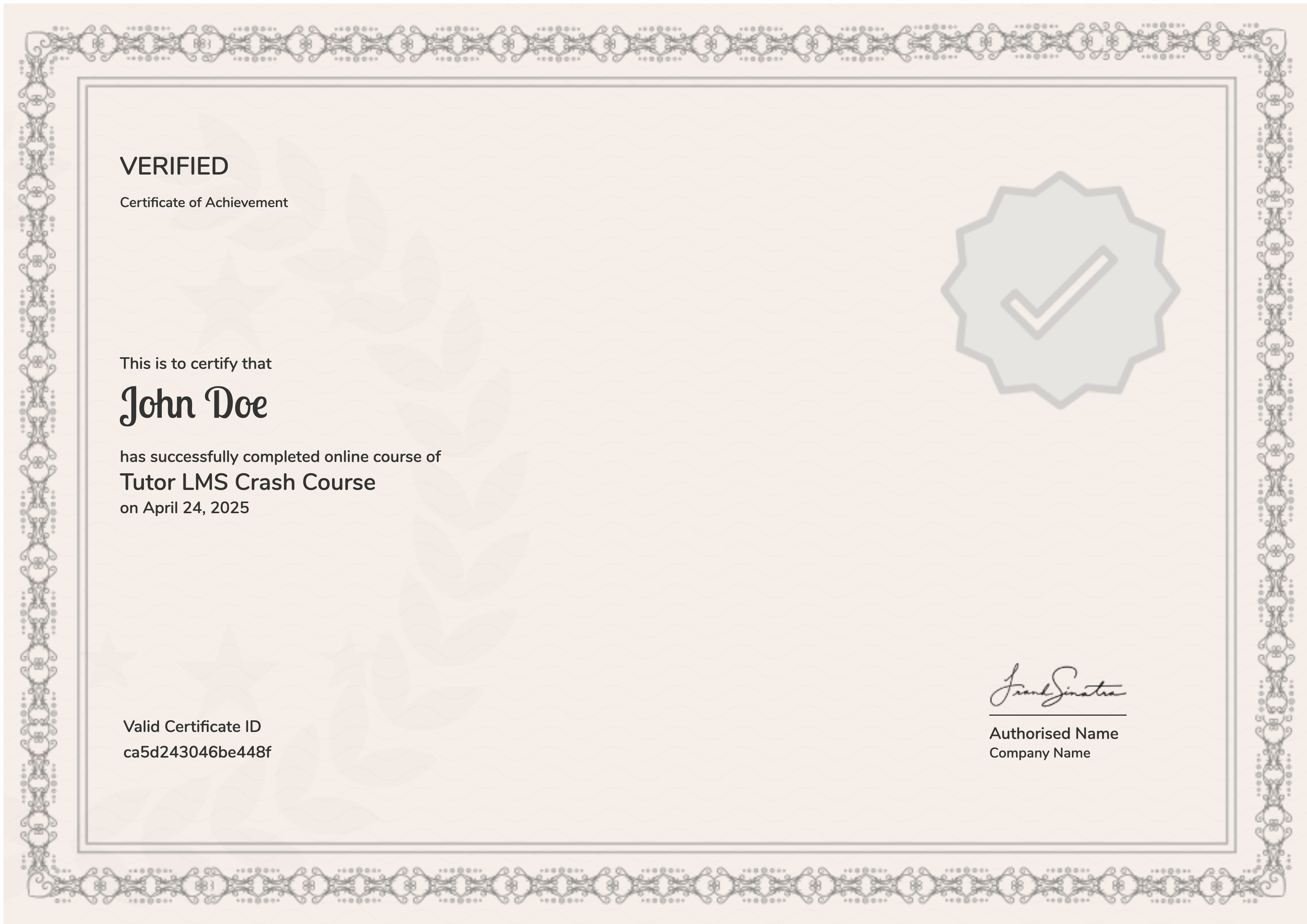
selected template

Student Ratings & Reviews

No Review Yet
No Review Yet
Shopping Cart
Scroll to Top