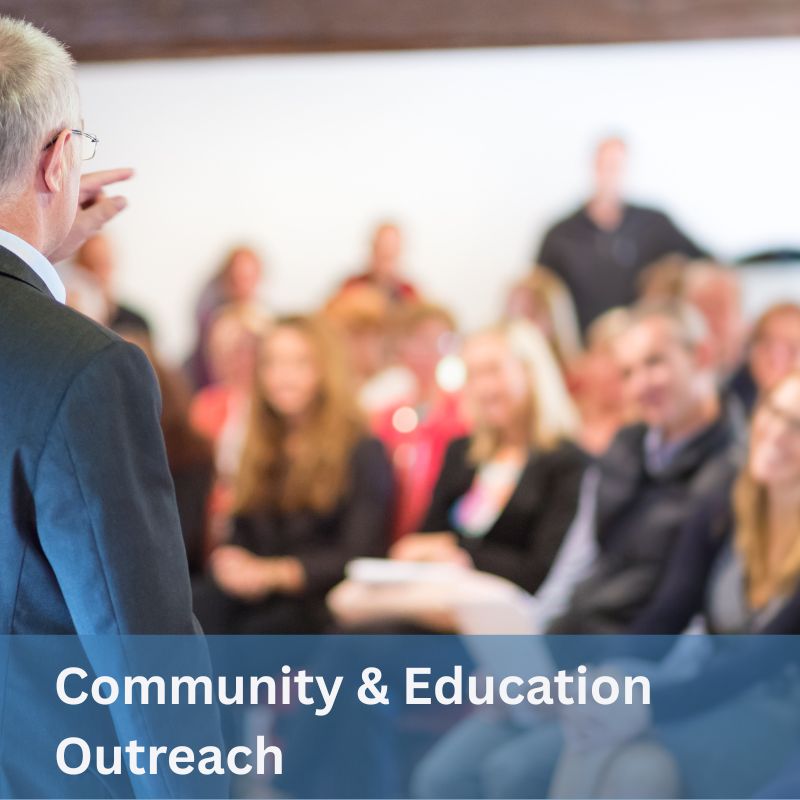
Community Education & Outreach

Wishlist Share

About Course

Funeral homes are not only places of care but also pillars within their communities. By engaging in education and outreach, funeral professionals can build trust, dispel myths, and strengthen relationships with the families they serve. Proactive community engagement also positions the funeral home as a resource for guidance, support, and knowledge about end-of-life planning and bereavement care.

This course prepares funeral service professionals to develop and deliver effective community education and outreach programs. Participants will learn strategies for hosting seminars, grief support groups, school presentations, senior workshops, and public events. The course also covers communication and marketing techniques for outreach, partnerships with community organizations, and evaluating program effectiveness.

Through practical examples and planning tools, this training equips professionals to build stronger connections with their communities while elevating the visibility and credibility of their funeral homes.

By the end of this training, participants will be able to:

  • Define the role and importance of community education and outreach in funeral service.
  • Develop outreach programs tailored to the unique needs of their community.
  • Apply effective communication strategies to engage audiences in meaningful dialogue.
  • Partner with schools, senior centers, faith groups, and civic organizations to extend outreach.
  • Evaluate outreach efforts to measure impact and refine future initiatives.
Show More

What Will You Learn?

  • In Community Education and Outreach, you will learn how to build strong community relationships by delivering meaningful, educational programming that increases public understanding of funeral service. This course teaches you how to design presentations, host events, engage with civic and faith-based organizations, and communicate your funeral home’s mission with clarity and confidence. You will learn strategies for addressing common public misconceptions, promoting preplanning awareness, and using outreach as a tool for strengthening trust, visibility, and long-term community loyalty. By the end of the course, you will be able to plan, deliver, and evaluate effective outreach initiatives that reflect your firm’s values and meet the needs of diverse audiences.

Course Content

Course Introduction
This course explores how funeral service professionals can strengthen community relationships through education and outreach. By positioning the funeral home as a trusted resource, participants will learn how to build credibility, provide meaningful support, and foster dialogue around end-of-life planning and bereavement care. Learning Objectives: • Define the importance of community education and outreach in funeral service. • Recognize how outreach efforts build trust and visibility. • Outline the strategies that will be developed throughout the course.

  • Course Introduction Video
    02:11

Module 1: The Role of Funeral Homes in Community Engagement
This module highlights the historical and contemporary role of funeral homes as community anchors. Participants will explore the ethical responsibility of serving as educators and dispelling misconceptions about funeral service. Learning Objectives: • Explain why funeral homes are uniquely positioned to lead community outreach. • Identify opportunities to establish trust through education. • Discuss ethical considerations in public engagement.

Module 2: Designing Effective Community Outreach Programs
This module provides strategies for developing outreach programs tailored to community needs. It covers identifying audiences, selecting program formats, and balancing education with support. Learning Objectives: • Conduct a needs assessment to guide outreach planning. • Select program types suited to diverse community groups. • Design initiatives that align with funeral home strengths.

Module 3: Communication and Presentation Skills for Outreach
Participants will gain practical skills for communicating with sensitivity and confidence. The module emphasizes audience-specific messaging, storytelling, and managing difficult questions. Learning Objectives: • Adapt messages for different community audiences. • Apply presentation skills to engage and educate effectively. • Use storytelling as a tool for connection and trust-building.

Module 4: Building Partnerships with Community Organizations
This module explores strategies for collaborating with schools, senior centers, hospitals, faith groups, and civic organizations. Emphasis is placed on creating mutually beneficial relationships. Learning Objectives: • Identify organizations that align with outreach goals. • Develop partnerships that expand program reach. • Leverage collaboration to enhance credibility and community impact.

Module 5: Marketing and Promoting Outreach Efforts
Participants will learn how to promote outreach programs effectively using traditional and digital communication channels, while ensuring outreach is seen as service, not sales. Learning Objectives: • Create a marketing plan for community outreach events. • Use communication tools such as social media and local media effectively. • Maintain consistency in branding and message delivery.

Module 6: Measuring Success and Continuous
This module teaches participants how to evaluate outreach programs by setting measurable goals, gathering feedback, and applying results for improvement. Learning Objectives: • Establish success criteria for outreach initiatives. • Evaluate outcomes using feedback and data. • Apply lessons learned to refine future programs.

Module 7: Case Studies and Best Practices
Through real-world case studies, participants will explore models of effective outreach, analyze challenges, and adapt proven strategies to their own communities. Learning Objectives: • Examine successful examples of community education initiatives. • Identify lessons learned from outreach challenges. • Apply best practices to strengthen personal outreach strategies.

Course Conclusion
The conclusion reinforces the central role of funeral homes as educators and community partners. Participants will reflect on their learning and commit to implementing outreach initiatives. Learning Objectives: • Summarize the key concepts of community education and outreach. • Integrate strategies into a personalized outreach plan. • Commit to advancing community trust through proactive engagement.

Earn a certificate

Add this certificate to your resume to demonstrate your skills & increase your chances of getting noticed.
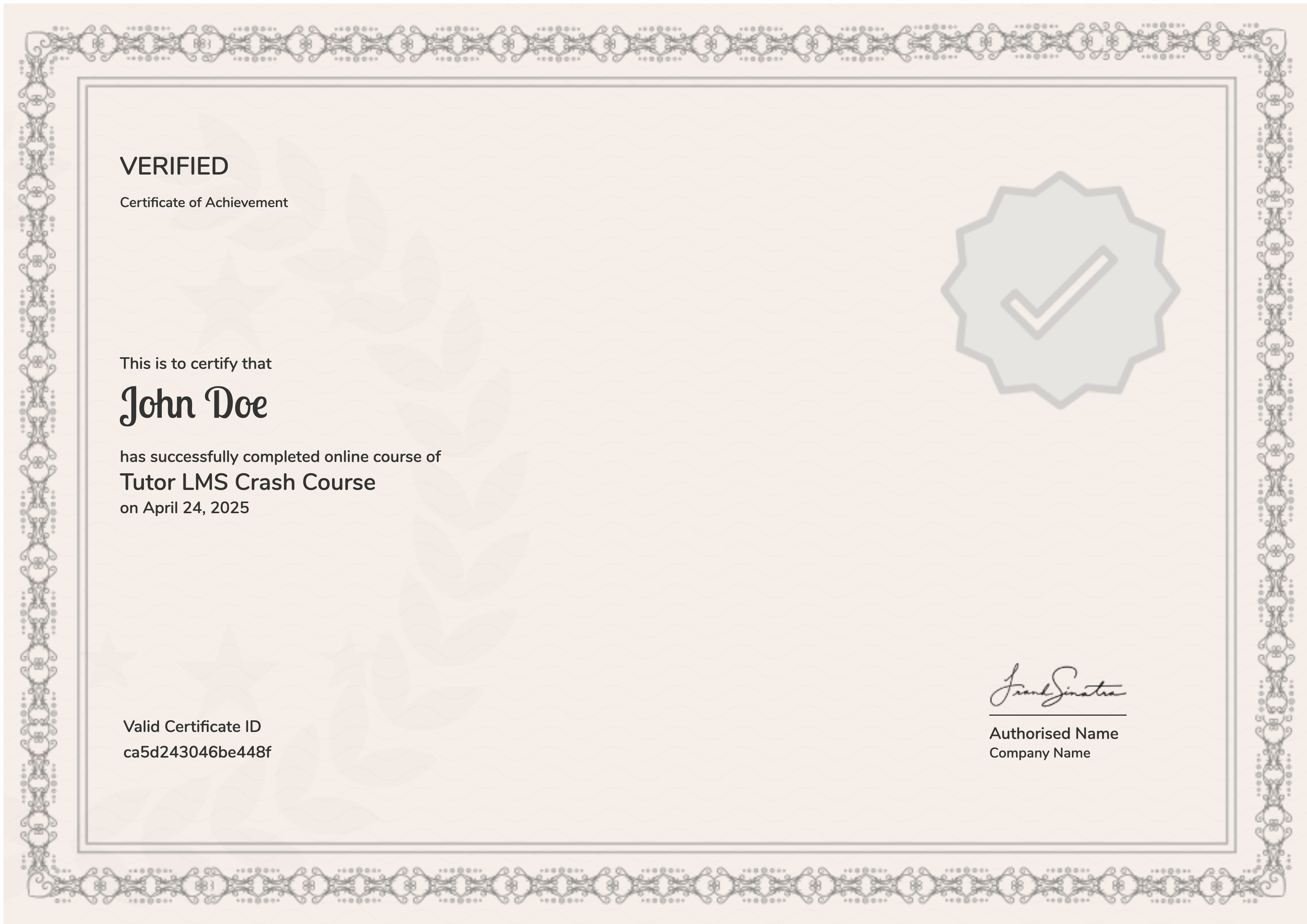
selected template

Student Ratings & Reviews

No Review Yet
No Review Yet
Shopping Cart
Scroll to Top