
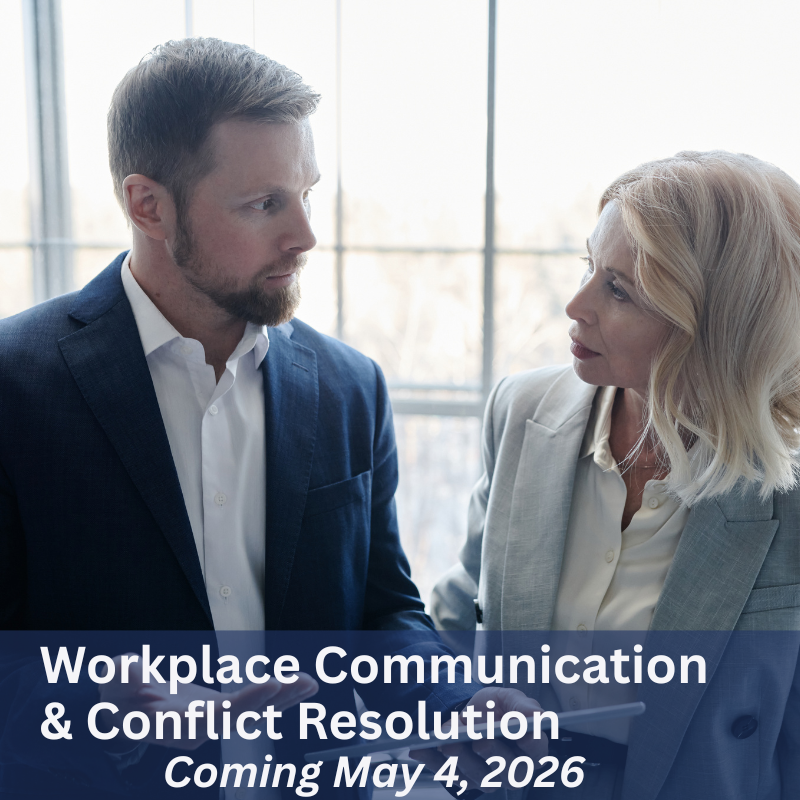
Workplace Communication & Conflict Resolution
Wishlist Share

About Course

In the funeral profession, teamwork and collaboration are essential to providing seamless, compassionate care for families. However, high-stress environments, differing personalities, and heavy workloads can create communication challenges and workplace conflict. Left unaddressed, these issues may impact morale, productivity, and service quality.

This course equips funeral service professionals with the skills to communicate clearly, build stronger workplace relationships, and resolve conflict effectively. Participants will explore principles of effective verbal and non-verbal communication, active listening, and professional dialogue. The training also covers conflict resolution strategies, including mediation techniques, de-escalation methods, and fostering a culture of respect and collaboration within the funeral home.

By mastering these skills, funeral professionals can create healthier workplaces that support staff, reduce stress, and enhance the level of care provided to families.

Show More

What Will You Learn?

  • Identify common communication barriers and sources of workplace conflict in funeral service.
  • Apply effective communication strategies, including active listening and constructive feedback.
  • Demonstrate conflict resolution techniques such as mediation, compromise, and de-escalation.
  • Foster a respectful, collaborative workplace culture that minimizes conflict and promotes teamwork.
  • Evaluate workplace scenarios to apply communication and resolution strategies in real-world contexts.

Course Content

Course Introduction
The introduction sets the stage for why communication and conflict resolution are essential in funeral service. It highlights how stress, grief, and workplace pressures can create challenges and explains how strong communication skills support collaboration, reduce conflict, and ensure quality service to families. Learning Objectives: • Recognize the importance of effective communication in funeral service teamwork. • Understand how communication directly impacts service quality and staff well-being. • Prepare to apply communication and conflict resolution skills in daily operations.

  • Course Introduction Video
    02:31

Module 1: Foundations of Effective Workplace Communication
This module covers the core principles of communication, including verbal, non-verbal, and written exchanges, emphasizing their role in funeral service settings. Learning Objectives: • Identify components of effective communication. • Recognize the impact of tone, body language, and clarity on workplace interactions.

Module 2: Active Listening and Constructive Feedback
Participants will learn to strengthen listening skills and provide feedback that builds trust and improves workplace relationships. Learning Objectives: • Demonstrate active listening techniques to improve understanding. • Deliver feedback in a constructive, professional manner. • Avoid communication pitfalls such as assumptions and defensiveness.

Module 3: Understanding Workplace Conflict in Funeral Service
Explores common sources of conflict unique to the funeral home environment, including emotional stress, scheduling challenges, personality differences, and role expectations. Learning Objectives: • Identify frequent causes of conflict in funeral service settings. • Assess the impact of unresolved conflict on staff morale and service quality. • Recognize signs of escalating workplace tension.

Module 4: Conflict Resolution Strategies and Mediation Techniques
This module introduces practical approaches for resolving disputes, including negotiation, compromise, and mediation, while emphasizing fairness and respect. Learning Objectives: • Apply conflict resolution models to workplace situations. • Utilize mediation strategies to resolve disagreements effectively. • Build consensus and strengthen team collaboration.

Module 5: De-escalation and Professional Dialogue
Focuses on maintaining professionalism in tense situations, with tools to de-escalate heated moments and keep dialogue respectful and solution-focused. Learning Objectives: • Demonstrate methods for de-escalating workplace conflict. • Maintain composure and professionalism under stress. • Guide conversations toward resolution and shared understanding.

Module 6: Building a Respectful and Collaborative Workplace Culture
Shifts focus from individual conflicts to creating a proactive workplace culture that values respect, inclusivity, and teamwork. Learning Objectives: • Foster a culture of mutual respect and open communication. • Encourage collaboration and shared responsibility across roles. • Develop proactive practices to minimize workplace conflict.

Module 7: Applying Skills Through Case Studies and Role-Playing
Participants will analyze real-world funeral home scenarios and role-play communication and resolution strategies to reinforce skills in context. Learning Objectives: • Evaluate scenarios to identify communication breakdowns and conflict sources. • Apply communication and resolution strategies to real-world examples. • Reflect on personal strengths and growth areas in communication.

Course Conclusion
The conclusion ties together the importance of effective communication and conflict resolution in funeral service, emphasizing ongoing practice and professional growth. Learning Objectives: • Summarize the key strategies for effective communication and conflict resolution. • Commit to fostering collaboration and professionalism in daily practice.

Earn a certificate

Add this certificate to your resume to demonstrate your skills & increase your chances of getting noticed.
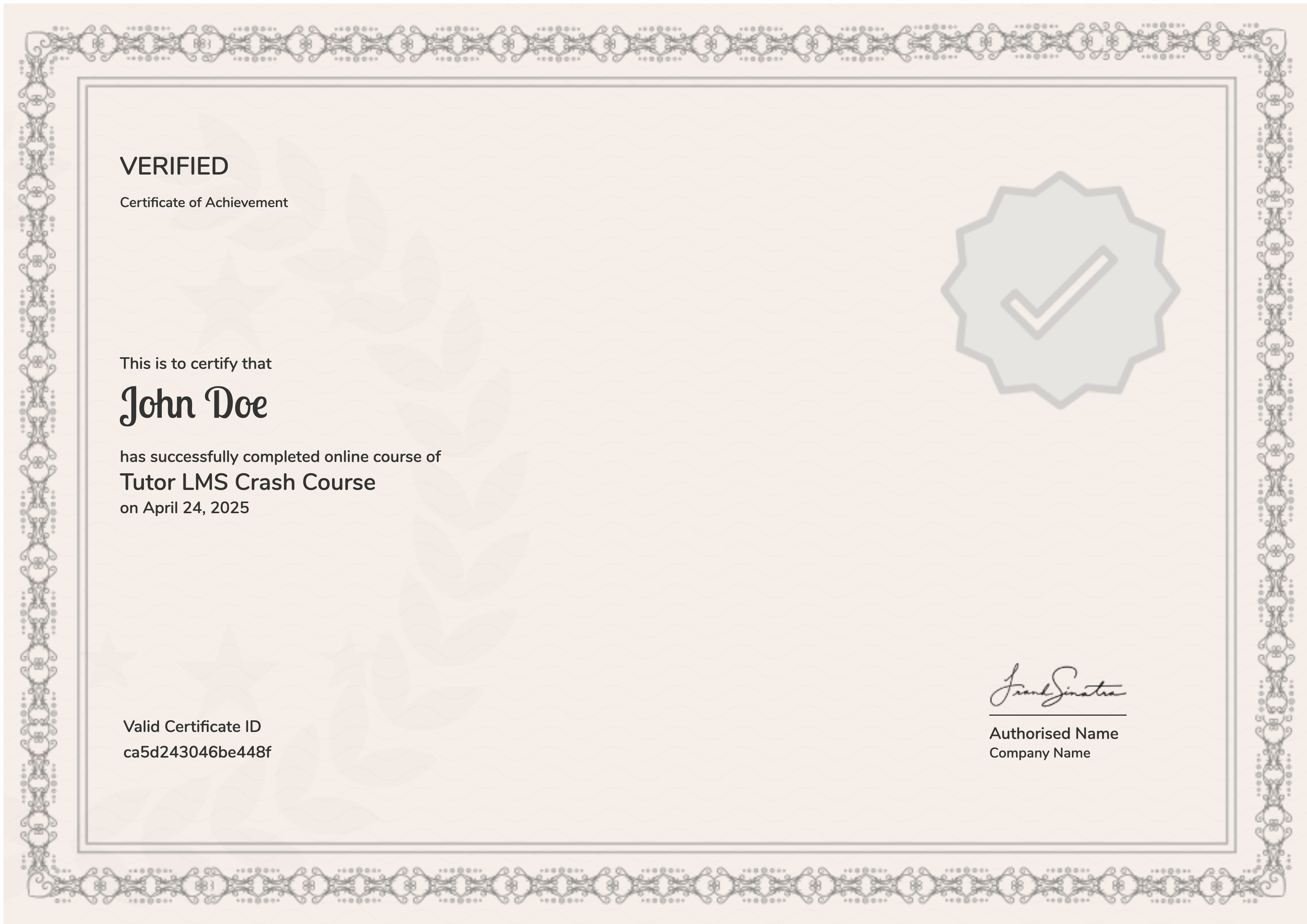
selected template

Student Ratings & Reviews

No Review Yet
No Review Yet
Shopping Cart
Scroll to Top