
Funeral Service Hospitality: Creating a Welcoming Environment

Categories: Death Care Essentials
Wishlist Share

About Course

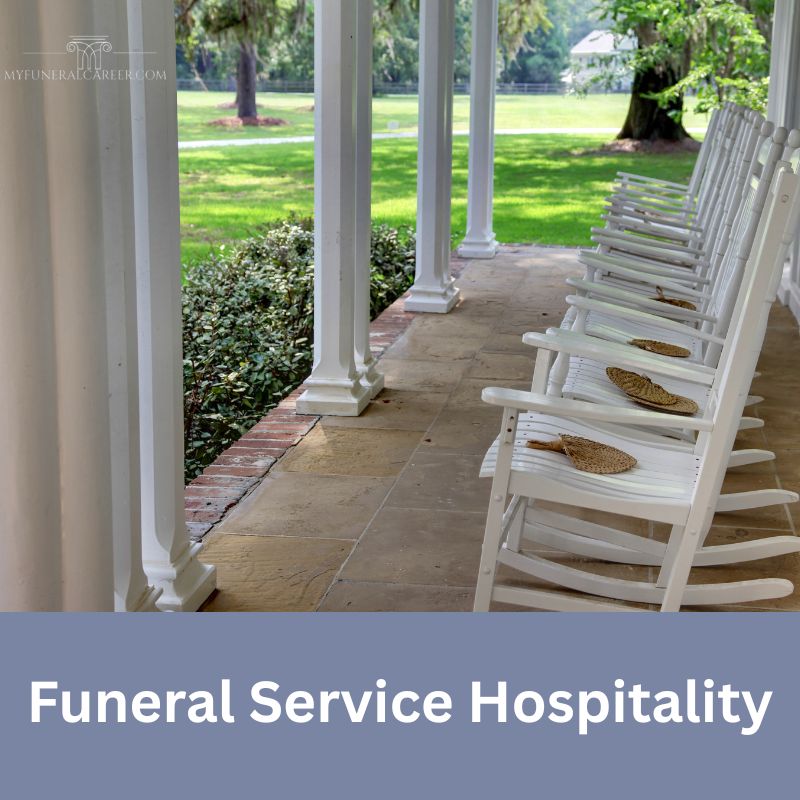
Funeral Service Hospitality: Creating a Welcoming Environment is a comprehensive training program designed to strengthen the compassionate, human-centered side of funeral service. This course emphasizes how every detail—physical spaces, communication, cultural sensitivity, and team collaboration—contributes to a family’s overall experience. Participants will learn to anticipate needs, foster trust through respectful dialogue, and integrate hospitality practices that go beyond basic service. By the end of the course, learners will understand how to create an environment that is not only professional but also warm, inclusive, and deeply supportive, ensuring that families feel comforted and cared for throughout the funeral journey.
Show More

What Will You Learn?

  • Define the role of hospitality in funeral service and explain its connection to professionalism and grief support.
  • Demonstrate how the physical environment, accessibility, and attention to detail contribute to comfort and dignity for families.
  • Apply communication techniques that foster trust, compassion, and meaningful connection.
  • Recognize and respect cultural, religious, and individual differences through inclusive and adaptable hospitality practices.
  • Integrate teamwork, anticipation, and continuous improvement into daily operations to sustain a culture of hospitality across all funeral service touchpoints.

Course Content

Course Introduction
The introduction outlines the role of hospitality in funeral service, setting the foundation for understanding how compassionate, human-centered practices create meaningful experiences for grieving families. Learning Objectives: • Define hospitality within the funeral service context. • Explain the impact of hospitality on family satisfaction and trust. • Recognize the difference between hospitality and basic customer service.

  • Course Introduction Video
    01:46

Module 1: Introduction to Funeral Service Hospitality
Explores the meaning of hospitality in funeral service, how it shapes grief experiences, and why it is a professional cornerstone. Learning Objectives: • Describe the role of hospitality in funeral service. • Differentiate between customer service and true hospitality. • Explain how hospitality supports grief care.

Module 2: The Physical Environment of Care
Examines how physical spaces — lighting, cleanliness, layout, and accessibility — affect family and guest perceptions of care. Learning Objectives: • Identify key environmental factors that impact hospitality. • Demonstrate how to adapt physical spaces to promote comfort and dignity. • Explain how accessibility and inclusivity strengthen the environment of care.

Module 3: Anticipating Family and Guest Needs
Focuses on proactive hospitality practices that meet unspoken needs, reduce stress, and provide comfort for grieving families. Learning Objectives: • Explain why anticipating needs is essential in funeral service. • Identify strategies for providing comfort amenities and accessibility. • Apply proactive problem-solving techniques to enhance family experiences.

Module 4: Communication and Connection
Highlights the importance of verbal and nonverbal communication in building trust, managing emotions, and fostering connection. Learning Objectives: • Demonstrate active listening and compassionate dialogue. • Recognize the role of nonverbal communication in building trust. • Apply strategies for managing difficult or emotional conversations.

Module 5: Cultural Sensitivity and Inclusivity
Covers how to respect diverse traditions, adapt hospitality practices, and ensure inclusivity across cultures, beliefs, and family structures. Learning Objectives: • Recognize common cultural differences in funeral practices. • Demonstrate inclusive language and behavior. • Apply humility and curiosity to support diverse family needs.

Module 6: Creating a Welcoming Environment Throughout the Funeral Journey
Explores hospitality touchpoints from arrangements to aftercare, emphasizing seamless, compassionate experiences for families. Learning Objectives: • Identify key hospitality touchpoints throughout the funeral journey. • Explain how technology can enhance inclusivity and connection. • Demonstrate coordination with clergy, celebrants, and partners to create seamless service experiences.

Module 7: Teamwork and Operational Excellence
Explores how staff collaboration and consistent internal communication ensure excellence in hospitality across the entire organization. Learning Objectives: • Explain the role of teamwork in consistent hospitality. • Apply strategies to train and empower staff in hospitality practices. • Analyze case studies of effective hospitality in funeral service.

Module 8: Sustaining a Culture of Hospitality
Focuses on embedding hospitality into funeral home culture through evaluation, improvement, and long-term commitment. Learning Objectives: • Describe how to embed hospitality into organizational culture. • Identify methods for measuring hospitality outcomes and gathering feedback. • Apply strategies for continuous improvement in family care.

Course Conclusion
The conclusion emphasizes how hospitality transforms the funeral experience into one of dignity, comfort, and trust, ensuring families leave feeling cared for. Learning Objectives: • Summarize the key concepts of funeral service hospitality. • Explain how hospitality contributes to family trust and satisfaction. • Commit to sustaining hospitality practices as part of professional excellence.

Earn a certificate

Add this certificate to your resume to demonstrate your skills & increase your chances of getting noticed.

selected template

Student Ratings & Reviews

No Review Yet
No Review Yet
Shopping Cart
Scroll to Top