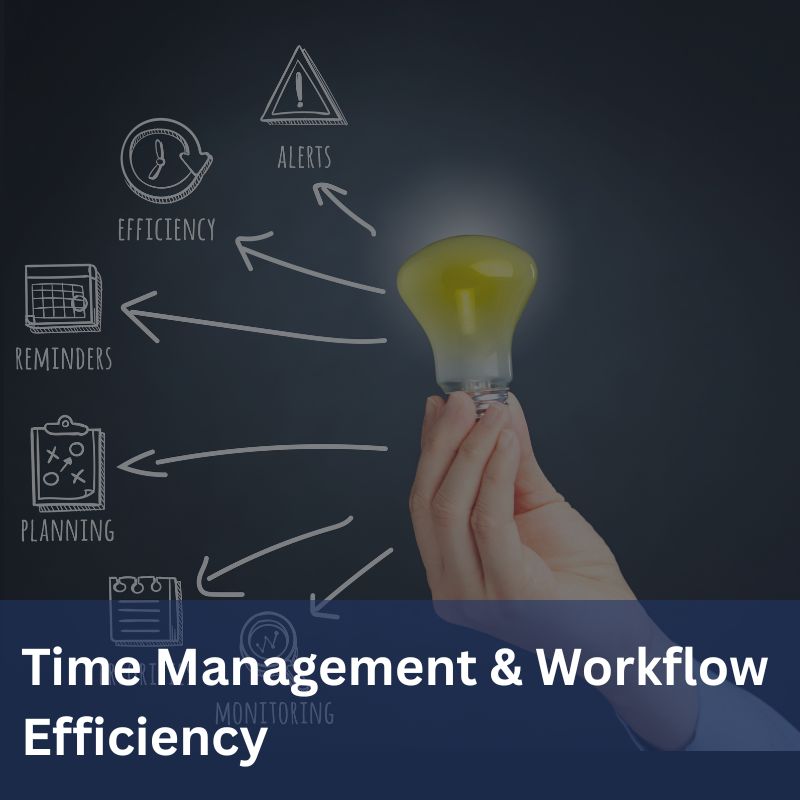
Time Management & Workflow Efficiency

Wishlist Share

About Course

Funeral service professionals balance numerous responsibilities—arrangements, visitations, embalming, administrative tasks, staff coordination, and aftercare—all within time-sensitive and emotionally charged environments. Without effective time management and workflow systems, stress increases, errors occur, and service quality may suffer.

This course equips funeral professionals with practical strategies to improve personal productivity and streamline funeral home operations. Participants will learn proven methods for prioritizing tasks, delegating effectively, organizing schedules, and using technology to enhance efficiency. Special attention is given to managing competing deadlines, handling unexpected interruptions, and maintaining balance between professional responsibilities and personal well-being.

By applying the tools taught in this course, funeral service professionals can improve workflow, reduce stress, and ensure consistent, high-quality care for families.

Show More

What Will You Learn?

  • Identify common time management challenges in funeral service environments.
  • Apply prioritization and scheduling techniques to manage multiple tasks effectively.
  • Implement workflow systems that improve organization, reduce errors, and increase efficiency.
  • Leverage technology and delegation strategies to maximize productivity.
  • Develop personal strategies to maintain balance and reduce stress while meeting professional demands.

Course Content

Course Introduction
This opening module introduces participants to the purpose and structure of the course. It highlights the importance of time management and workflow efficiency in funeral service, setting expectations for learning and participation. Objectives: • Describe the overall goals and outcomes of the course. • Recognize the importance of time management in funeral service environments. • Identify personal goals for improving workflow efficiency.

  • Course Introduction Video
    01:47

Module 1: The Importance of Time Management in Funeral Service
This module introduces the unique challenges funeral professionals face when balancing arrangements, visitations, embalming, administrative work, and aftercare. Participants will explore how stress, errors, and service quality issues arise without proper time management. Objectives: • Identify common time management challenges in funeral service environments. • Explain the impact of poor time management on staff, families, and service quality. • Recognize opportunities for improvement in current personal and organizational practices.

Module 2: Prioritization and Scheduling Techniques
Participants will learn proven strategies to prioritize tasks and manage competing responsibilities. Techniques like the Eisenhower Matrix and daily/weekly planning methods will be applied to real funeral home scenarios. Objectives: • Apply prioritization frameworks to differentiate urgent vs. important tasks. • Create effective daily and weekly schedules that account for interruptions. • Use scheduling tools to manage multiple tasks and deadlines efficiently.

Module 3: Workflow Systems and Process Improvement
This module focuses on organizing and streamlining funeral home operations. Participants will analyze workflows, identify bottlenecks, and explore strategies for reducing errors and improving consistency. Objectives: • Map and analyze common funeral home workflows for efficiency gaps. • Implement systems that reduce errors and increase consistency. • Apply continuous improvement practices to streamline operations.

Module 4: Leveraging Technology and Delegation
Participants will explore how technology and delegation can maximize productivity. Emphasis is placed on selecting the right tools, empowering staff, and monitoring responsibilities without micromanaging. Objectives: • Evaluate funeral service–specific technology for time and task management. • Apply delegation strategies that align tasks with staff roles and strengths. • Demonstrate techniques for monitoring progress while maintaining accountability.

Module 5: Maintaining Balance and Reducing Stress
This module emphasizes the importance of self-care and balance for funeral professionals. Strategies for managing stress, avoiding burnout, and balancing personal and professional responsibilities are explored. Objectives: • Recognize signs of burnout and stress unique to funeral professionals. • Apply personal time management strategies that promote resilience. • Develop a plan for balancing professional demands with personal well-being.

Module 6: Pulling It All Together
The final content module integrates all concepts into practical application. Through case studies and exercises, participants will design personal action plans to improve workflow and reduce stress while delivering high-quality service. Objectives: • Synthesize strategies from all modules into a cohesive personal efficiency plan. • Apply time management and workflow tools to real funeral home scenarios. • Commit to ongoing improvement for both individual and organizational success.

Course Conclusion: Reflection and Next Steps
This concluding module reinforces the importance of applying course tools in daily practice. Participants will reflect on lessons learned, share personal commitments, and plan for continuous improvement in workflow and time management. Objectives: • Summarize key concepts and strategies from the course. • Reflect on personal growth and areas for continued improvement. • Create a post-course action plan for applying time management strategies in the workplace.

Earn a certificate

Add this certificate to your resume to demonstrate your skills & increase your chances of getting noticed.
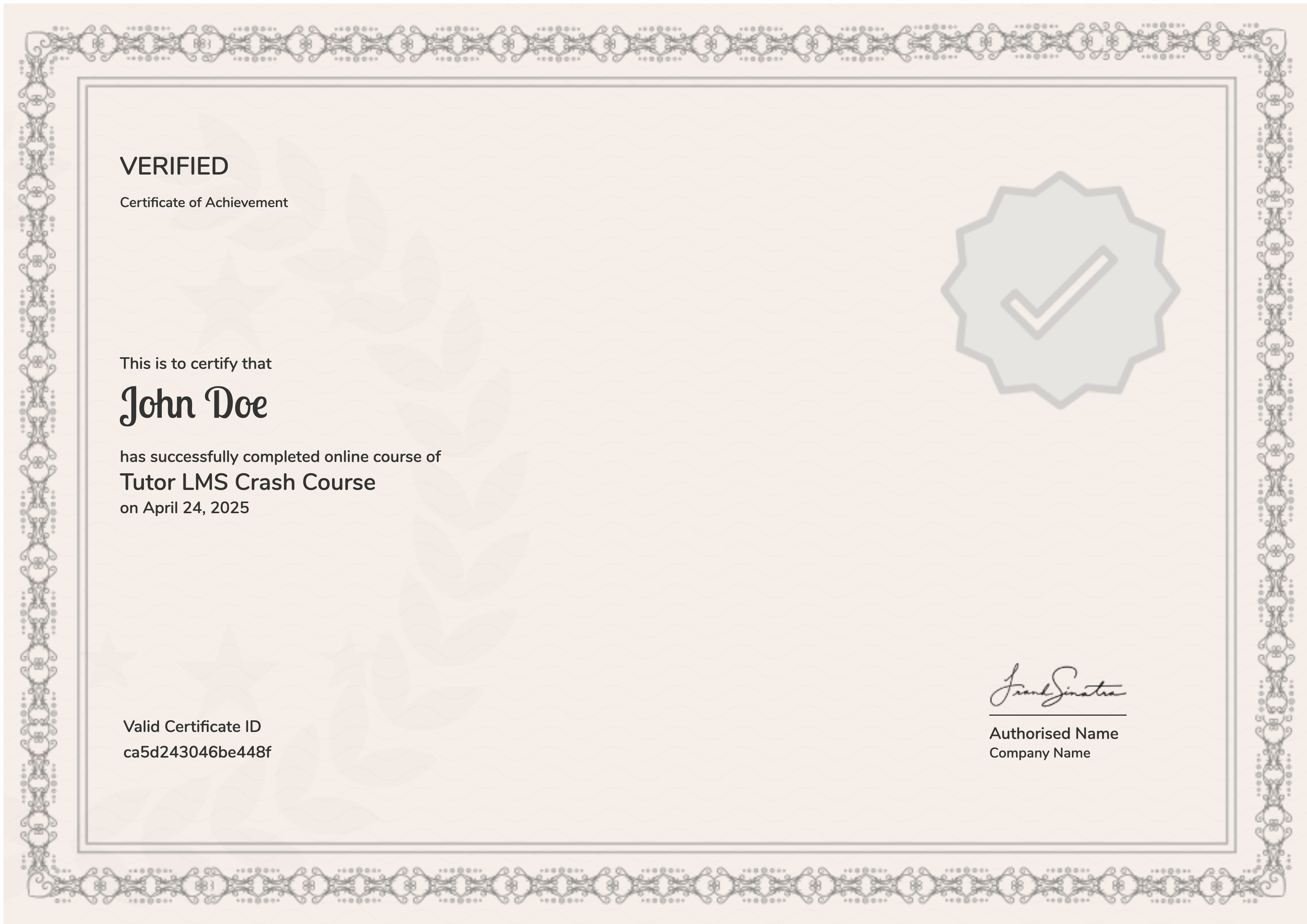
selected template

Student Ratings & Reviews

No Review Yet
No Review Yet
Shopping Cart
Scroll to Top